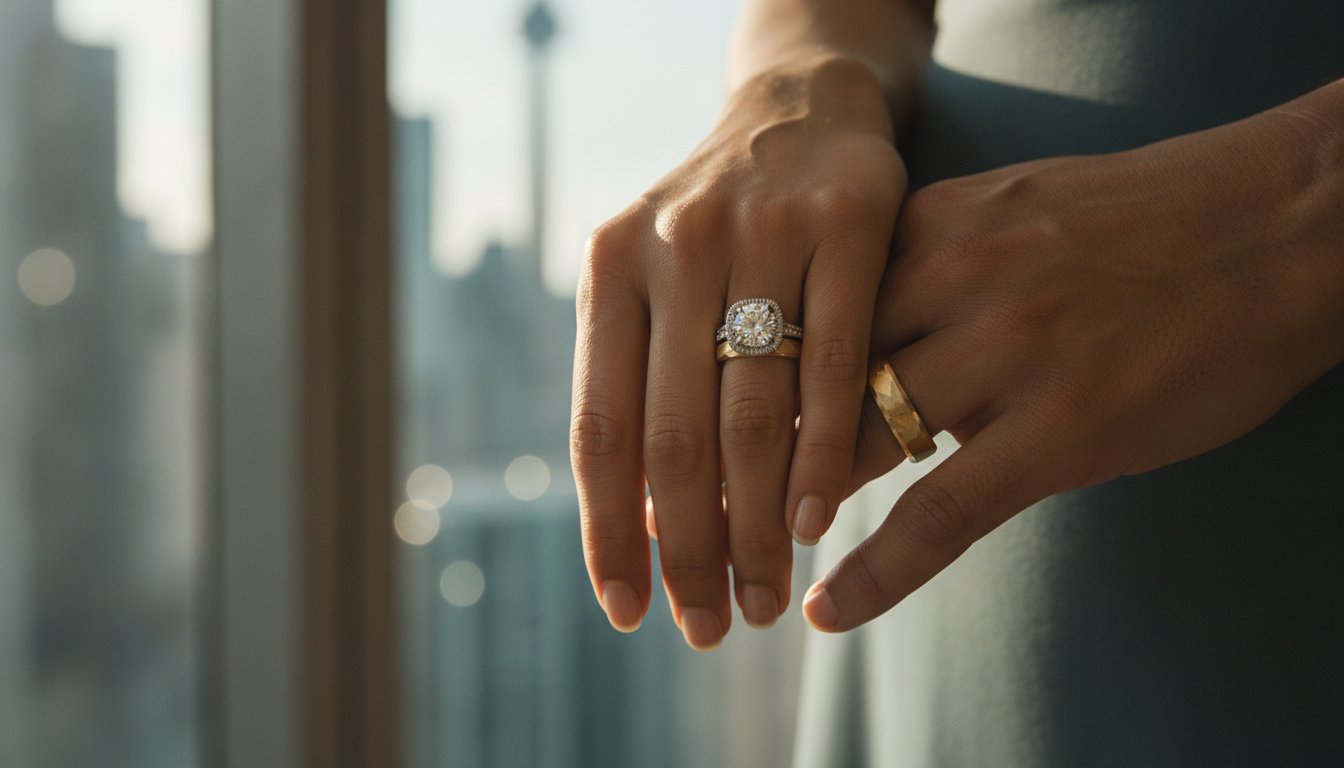
Why do some of the most sophisticated engagement rings in Toronto seem to "glow" rather than sparkle? If you are drawn to the clean lines of an emerald cut, you are looking for something fundamentally different from the standard brilliant flash. I often tell my clients at the downtown studio that while a round diamond shouts, an emerald cut whispers with a quiet, architectural confidence. It is a choice for those who value clarity and symmetry over sheer fire.
It's completely normal to feel a bit of anxiety when choosing a step-cut stone. You might worry about seeing inclusions through those wide, flat facets or struggle to visualize how the elongated shape will look on your hand. I'll help you navigate the specific trade-offs between colour and clarity to ensure your stone remains eye-clean. In this 2026 comparison guide, we will explore the "hall-of-mirrors" effect and weigh the price-to-value ratio of natural versus lab-grown stones. My goal is to ensure you feel confident in my ability to help you select a stone that fits your budget while celebrating master Canadian craftsmanship in your final design.
• Learn how the parallel facets of an emerald cut create a sophisticated "hall-of-mirrors" effect that differs from traditional brilliant sparkle.
• Discover why the elongated shape of a step-cut often provides a larger "face-up" appearance than a square princess cut of the same carat weight.
• Identify the specific clarity and colour thresholds required to ensure your diamond remains eye-clean under its large, open table.
• Explore how to pair 2026 Toronto design trends like hidden halos with master Canadian craftsmanship for a truly bespoke engagement ring.
When you look at an emerald cut diamond, you aren't seeing the chaotic sparkle of a round brilliant. Instead, you are looking at one of the oldest and most architectural forms of Diamond cut history. This shape is defined by its rectangular silhouette, cropped corners, and long, parallel facets that create a distinct "hall-of-mirrors" effect. In my experience, clients who choose this cut are looking for a stone that values clarity and sophistication over raw fire.
Historically, this style was developed for emerald gemstones to prevent the brittle stones from chipping during the setting process. Eventually, diamond cutters realized that the same geometry showcased the internal purity of a diamond unlike any other shape. While a round diamond uses 57 or 58 facets to bounce light in every direction, the emerald cut uses "steps" to draw the eye deep into the stone. It is a quiet, confident aesthetic that I often describe as understated elegance. You can see how this translates to finished pieces in my custom diamond engagement rings gallery.
The defining feature of this shape is the large, flat top facet known as the table. Think of the table as a clear window into the heart of your diamond. Because this window is so open, there is nowhere for inclusions to hide. This is why I always tell couples visiting my downtown Toronto studio that clarity is the most critical factor here. If a stone has a small feather or crystal under the table, it will be visible to the naked eye.
Symmetry is also non-negotiable. To achieve that hypnotic hall-of-mirrors look, every parallel facet must align perfectly. If the symmetry is off even by a fraction, the steps will look distorted, and the stone will lose its rhythmic light return. Key takeaways for the architecture include:
Parallel facets that resemble a staircase rather than a kaleidoscope.
These add durability and create a unique vintage-meets-modern silhouette.
A large table that demands high clarity grades for a truly eye-clean look.
Choosing between an emerald cut and a princess cut often comes down to how you want the diamond to interact with light. While both shapes occupy a similar rectangular or square footprint, they are optical opposites. A princess cut is a brilliant-style stone, designed with many small facets to create "fire" and "scintillation," which is that classic, busy sparkle. In contrast, the emerald shape is a step-cut. It relies on long, linear facets that produce a rhythmic flash of light. When evaluating these differences, GIA's guide to emerald cut quality highlights that step-cuts prioritize transparency over the "crushed ice" look found in brilliant shapes.
Durability is another factor I always discuss with my clients. Princess cuts have sharp, 90-degree corners that are notoriously prone to chipping if they aren't protected by a V-prong setting. The emerald shape features cropped corners by design. This not only adds a layer of structural integrity but also lends the stone its signature vintage, sophisticated vibe. If you're unsure which silhouette complements your style, you can book a private consultation at my studio to see both shapes side-by-side.
In my experience, the elongated nature of an emerald cut is incredibly flattering for most hand shapes. Because it covers more vertical real estate on the finger, it creates an illusion of length, making fingers appear more slender. A princess cut has a more compact, square aesthetic. It feels modern and bold, but it doesn't offer the same "slimming" effect as its elongated counterpart.
From a technical standpoint, cutting an emerald shape usually involves less "rough waste" from the original diamond crystal. This often results in a better price-per-carat than many brilliant cuts. However, you must realize that while the stone itself might be a better value, you'll likely spend more on clarity. Because inclusions are so visible, you'll need an investment-grade stone with a higher clarity rating. I’ll help you select a stone that fits your budget while ensuring it meets the standards of master Canadian craftsmanship.
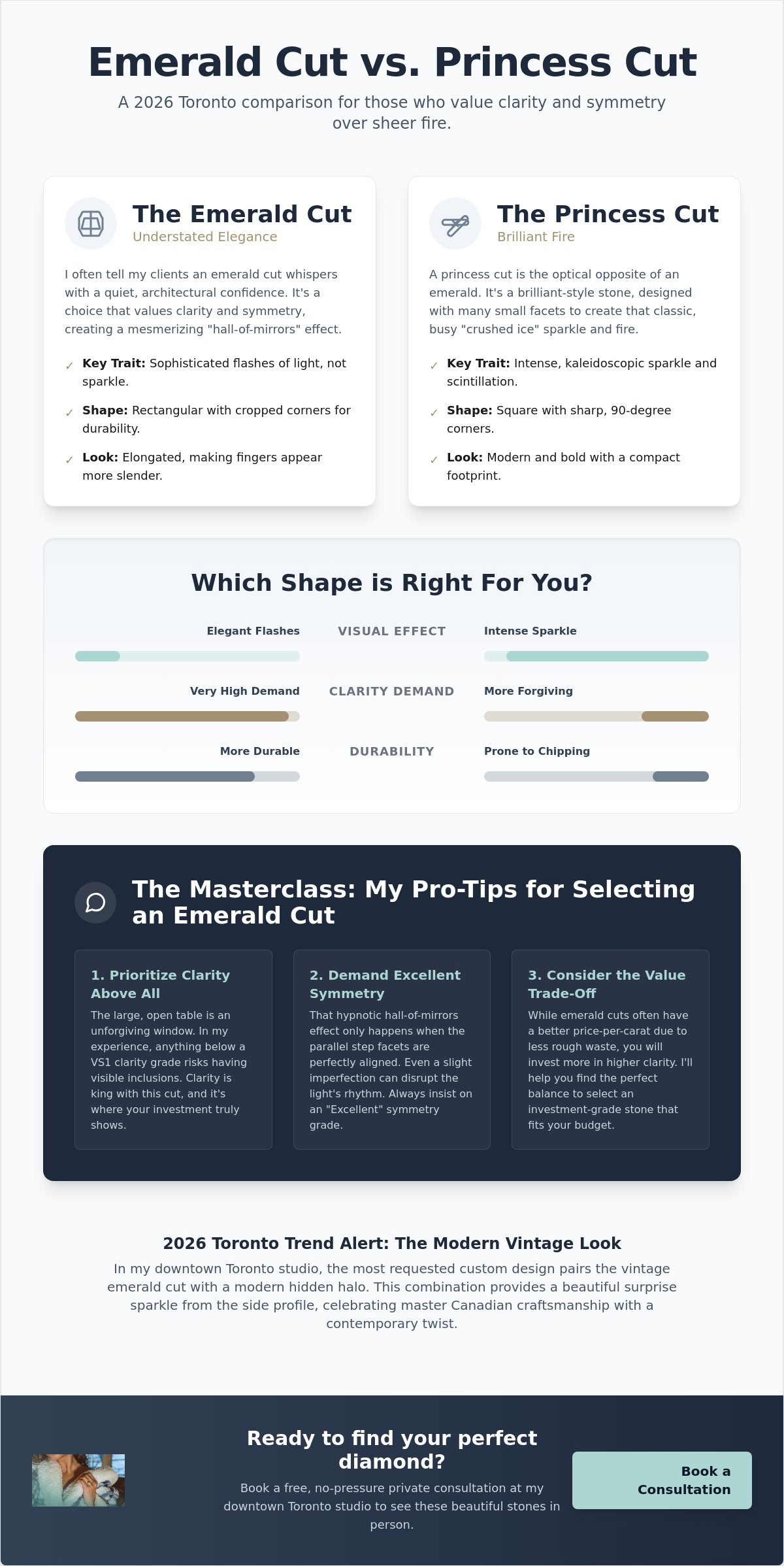
When you are selecting an emerald cut diamond, the standard advice you find online often fails. In my downtown Toronto studio, I tell my clients that clarity is king. Because of the large, open table, you don't have the "fire" of a brilliant cut to hide internal flaws. In my experience, you should aim for VS2 clarity or higher. Anything lower frequently results in visible inclusions that spoil the stone's architectural beauty.
Colour is the second hurdle. These stones hold onto colour more than rounds do. If you want that icy white look common in the 2026 Toronto trend, stay within the D to F range. However, if you prefer a warmer aesthetic, there is room to negotiate. I’ll help you select a stone that fits your budget by balancing these technical grades with what your eye actually sees. I also recommend a length-to-width ratio between 1.30 and 1.50 for that classic, elegant rectangular silhouette.
Pro-Tip: In my experience, you can often sacrifice a bit of colour grade if you’re setting the diamond in yellow gold. The metal's warmth masks a slight tint in the stone. However, never compromise on clarity with a step cut; a visible inclusion is an investment-grade dealbreaker.
A common issue with poorly cut stones is windowing. This occurs when the facets are cut at angles that allow light to leak through the bottom rather than reflecting it back to your eye. To avoid this, look for a depth percentage between 60% and 70%. A stone that is too shallow will look "dead" in the centre, while one that is too deep will hide its weight where you can't see it. This is why viewing stones in person is so vital; numbers on a certificate don't always tell the full story of how a stone handles light.
The setting for an emerald shape must be executed with absolute precision. Because the stone is all about straight lines, the prongs and basket must be perfectly square to enhance its symmetry. This level of Master Canadian craftsmanship ensures the stone is protected while looking its best. You can see our custom emerald cut gallery to understand how the right setting transforms the stone. If you want to see these details in person, I invite you to book a private consultation to view our current curated inventory.
Designing a custom emerald cut engagement ring in the GTA for 2026 involves a shift toward subtle, hidden details. In my downtown Toronto studio, I've noticed a surge in "hidden halos." These are small diamonds set beneath the centre stone's girdle, providing a touch of modern brilliance without interrupting the clean, linear profile of the step cut. This design choice perfectly balances the stone's architectural heritage with a contemporary flash of light.
Many couples are also exploring lab-grown emerald cuts. Because these stones are created in a controlled environment, it's often easier to source the high-clarity, investment-grade specimens required for this specific shape. In my experience, choosing a lab-grown stone allows you to prioritize a larger carat weight or a higher colour grade while staying within your budget. I’ll help you select a stone that fits your budget, regardless of its origin, to ensure the final piece reflects your vision.
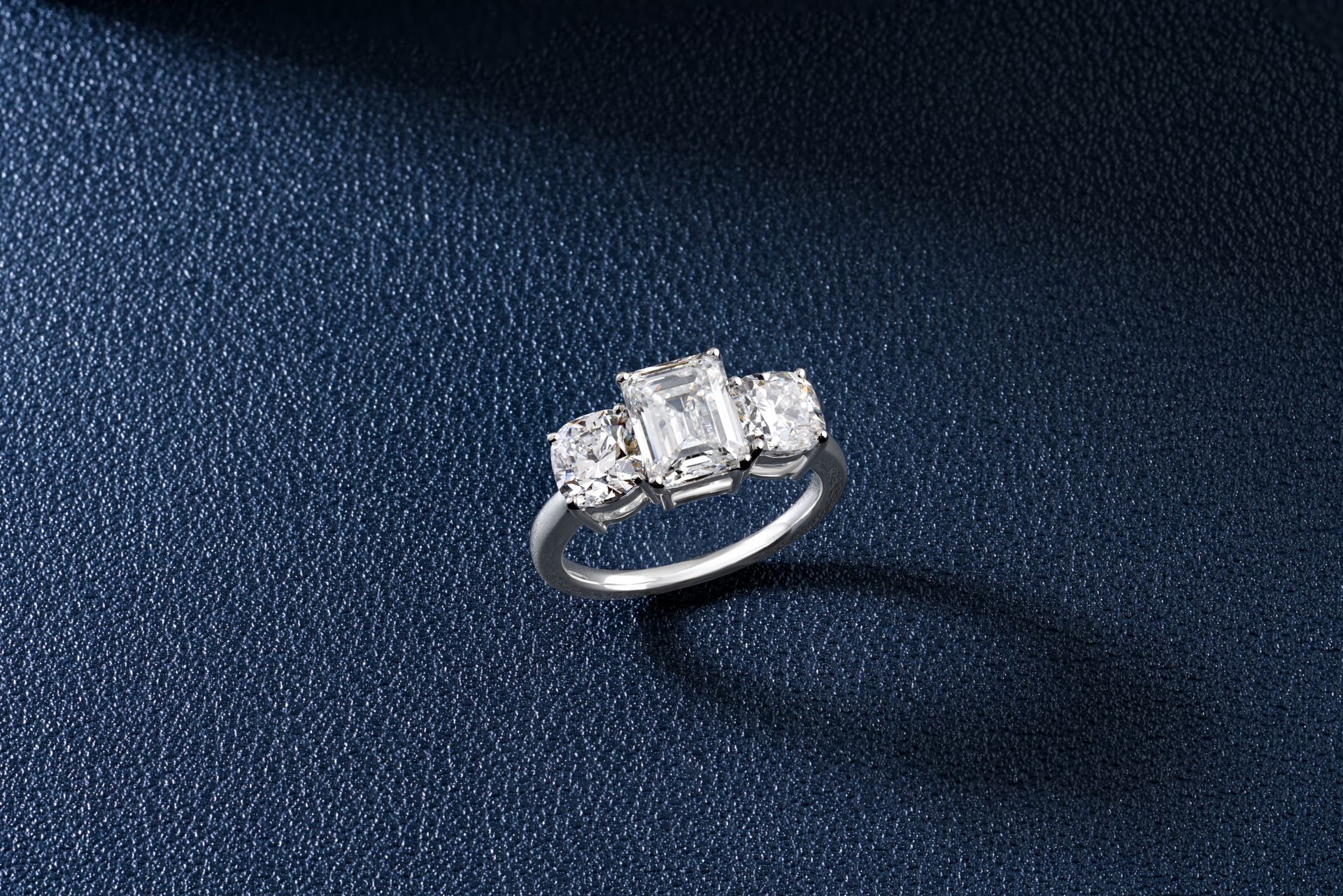
While minimalist solitaires remain a staple, I've seen a growing preference for three-stone settings featuring tapered baguette side stones. This configuration complements the emerald cut by extending its horizontal lines across the finger. There's also a noticeable trend toward yellow gold settings. This "Old Toronto" aesthetic adds a warm, vintage feel that pairs beautifully with the sophisticated nature of a step-cut diamond.
When you visit my studio, you won't encounter the high-pressure environment of a typical retail shop. Instead, we'll have a quiet, one-on-one session to discuss your preferences and technical requirements. You can learn more about our process before you arrive. I take pride in being a master of the craft who is also a patient listener. During our time together, I'll pull from a curated inventory of stones sourced specifically for your design, ensuring every facet meets the standards of master Canadian craftsmanship.
Finding the right diamond is a deeply personal journey. I invite you to book a free private consultation at my downtown Toronto studio to view our curated collection and start designing your custom ring today.
Selecting an emerald cut diamond is a decision that prioritizes refined, architectural beauty over standard brilliance. We have explored how the hall-of-mirrors effect demands a higher clarity grade and why the right length-to-width ratio is essential for a flattering look on the hand. Whether you are leaning toward a vintage-inspired yellow gold setting or a modern hidden halo, the goal is to create a piece that feels uniquely yours.
As a third-generation jeweller, I bring decades of experience to every stone selection. My focus is always on providing an insider masterclass experience that helps you navigate the technical trade-offs of investment-grade diamonds. In my downtown Toronto studio, we move away from the pressure of retail floors to focus on master Canadian craftsmanship and one-on-one collaboration. I'll help you select a stone that fits your budget while ensuring it meets the highest standards of purity and symmetry. I'm here to guide you through every step of this journey.
Book your free private consultation in Toronto today to see these stones in person and start your custom design journey. I look forward to helping you find the perfect stone.
Emerald cuts often appear larger than round diamonds of the same carat weight due to their elongated rectangular shape. While a round diamond carries much of its weight in its depth, an emerald cut spreads its surface area across a larger "face-up" table. This creates a more significant visual presence on the finger, making it an excellent choice for those who want a stone that looks substantial without needing to increase the carat weight significantly.
I generally recommend a clarity grade of VS2 or higher for any step-cut stone. Unlike brilliant cuts that use multiple facets to hide internal characteristics, the open table of this shape acts like a window. If there is a crystal or feather in the centre, you will see it. In my experience, choosing an investment-grade stone with high clarity is the only way to ensure the "hall-of-mirrors" effect remains crisp and clean.
Per carat, these diamonds are typically more accessible than round brilliant stones because the cutting process involves less waste of the rough diamond. However, because you cannot hide inclusions easily, you often need to spend more on a higher clarity grade. I’ll help you select a stone that fits your budget by balancing these factors, ensuring you don't overpay for grades that the naked eye cannot distinguish in a real-world setting.
Absolutely, and many Toronto couples are choosing lab-grown stones to maximize their budget in 2026. Lab diamonds are chemically and physically identical to natural ones, making them a perfect fit for a custom emerald cut ring. This path often allows you to secure a much larger stone with flawless clarity, which is particularly beneficial for step-cuts where every internal detail is visible through those long, parallel facets.
The best setting is one that prioritizes symmetry and protection, such as a classic four-prong solitaire or a three-stone design with tapered baguettes. Because this shape has cropped corners, it requires a precise fit to stay secure. At my downtown Toronto studio, we focus on Master Canadian craftsmanship to ensure the metalwork perfectly aligns with the stone's linear facets. This level of precision prevents the stone from looking "tilted" or unbalanced in the final ring.

© Copyright 2023 Livia Diamonds. All Rights Reserved